Hacking Tools
Identify these Tools
"The Insider’s Arsenal"
A security breach at CyberSec Corp has left investigators puzzled. It began with a malicious USB injecting keystrokes, followed by another device dumping credentials. A rogue Wi-Fi access point hijacked connections, while a covert network implant created a stealthy backdoor. An Ethernet dongle mapped the network, and another rerouted encrypted traffic. Keystrokes were logged, and a hidden screen capture device recorded sensitive data. A modified charging cable executed remote payloads, while another bypassed security filters. The SOC team must track the attacker, analyze logs, and locate the rogue devices before CyberSec Corp suffers irreversible damage!
You are part of a cybersecurity team and have been assigned the task of securing the premises. Kindly identify the hacking gadgets listed below!
Question 1.
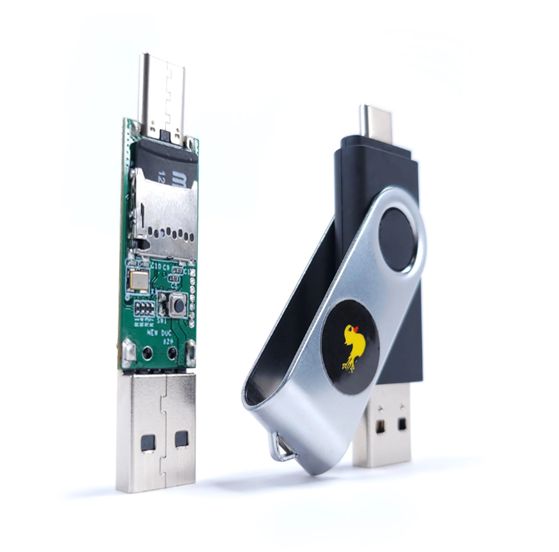
A USB was plugged in before the breach. The laptop ran commands too fast for human typing. Look for hidden scripts, keystroke injections, or encoded payloads.
What is the name of the hacking tool shown in the image?
Question 2.
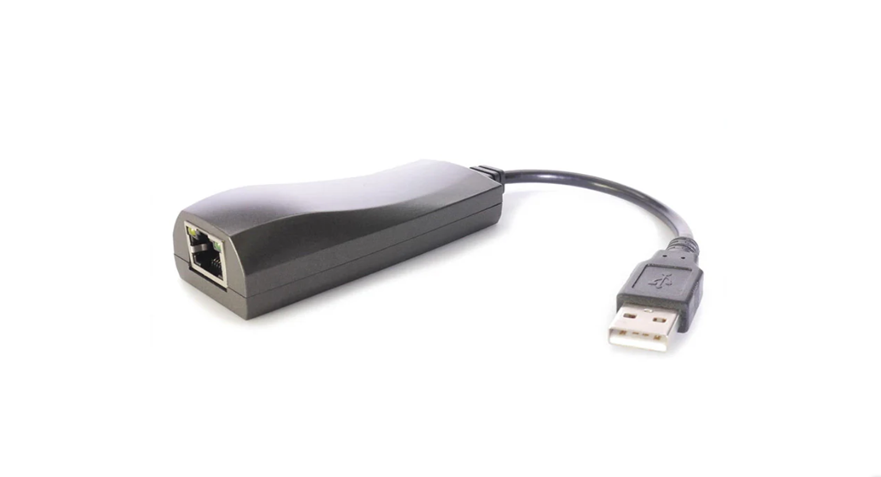
A network device was plugged into an unattended workstation. Soon, remote access tunnels appeared, and sensitive data flowed out undetected. The attacker may have used a covert backdoor. Check network traffic, rogue SSH connections, and unexpected DNS queries.
What is the name of the hacking tool shown in the image?
Question 3.
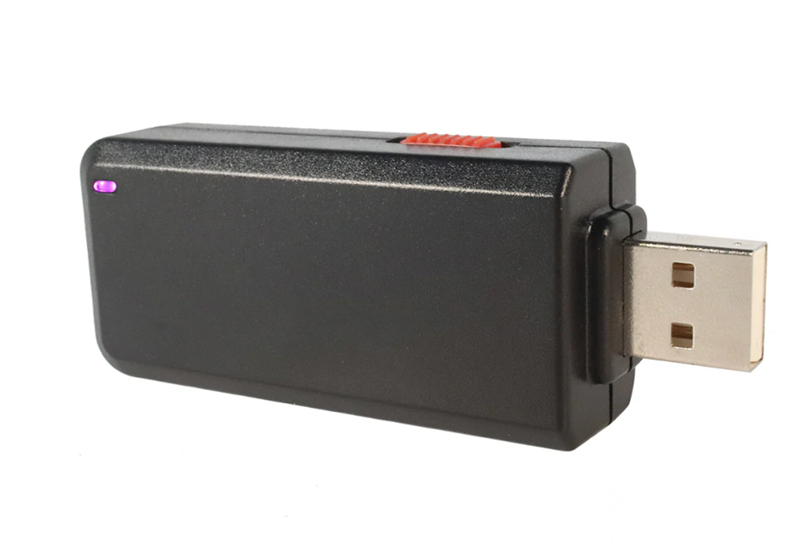
A flash drive was inserted, and within seconds, credentials were stolen, scripts executed, and network configs altered. This wasn’t a regular USB—it was an automated attack tool. Investigate PowerShell logs, rogue exfiltration attempts, and privilege escalation.
What is the name of the hacking tool shown in the image?
Question 4.
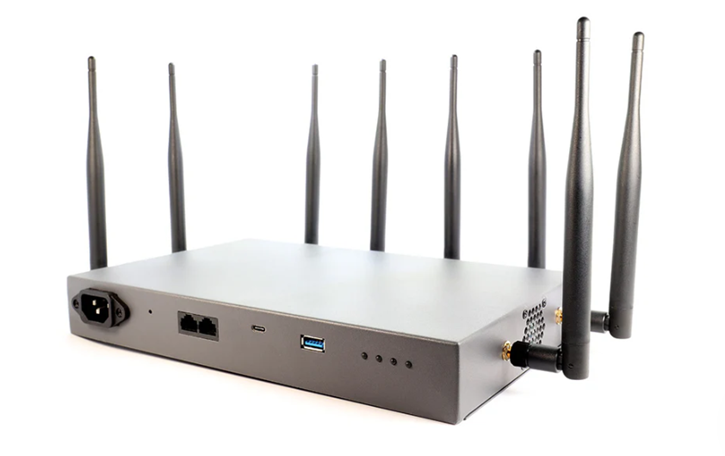
Strange Wi-Fi activity disrupted network security. Devices auto-connected to a rogue access point, leaking credentials and traffic. Victims thought they were on the corporate network, but packets were intercepted. Scan for rogue SSIDs, inspect DNS poisoning attempts, and decrypt captured traffic.
What is the name of the hacking tool shown in the image?
Question 5.
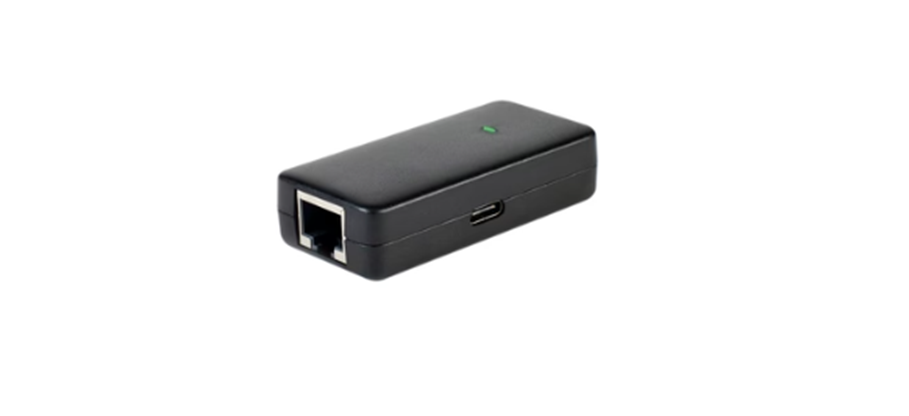
Sensitive data is leaking, but no malware is found. A tiny LAN tap was secretly attached, capturing unencrypted network packets. Who planted it? Analyze mirrored traffic, inspect ARP tables, and track MAC addresses.
What is the name of the hacking tool shown in the image?
Question 6.
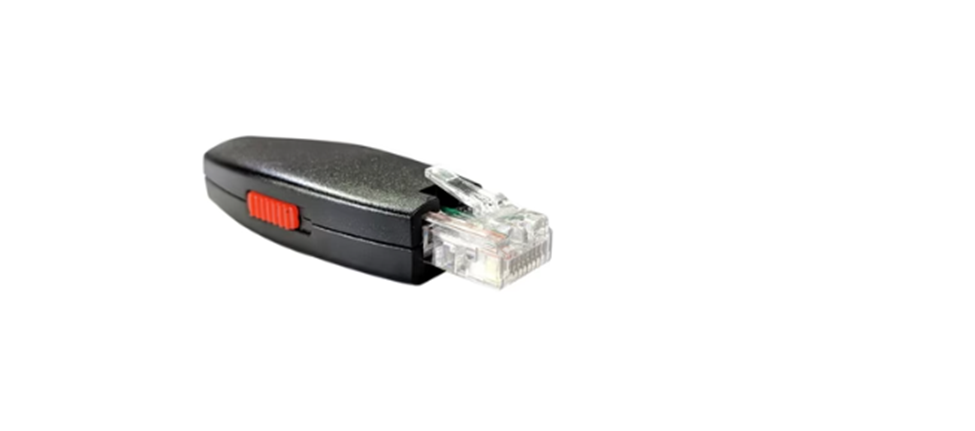
A harmless-looking Ethernet dongle was plugged into a network port. Seconds later, a rapid attack unfolded—IP addresses mapped, credentials dumped, and a script exfiltrated data. Inspect DHCP logs, network scans, and sudden spikes in outbound traffic.
What is the name of the hacking tool shown in the image?
Question 7.
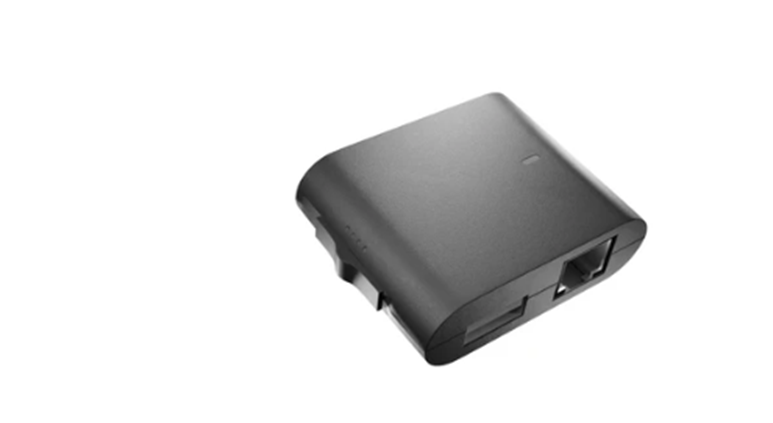
The network slowed down as encrypted traffic rerouted through an unknown tunnel. A small device was found sniffing packets and creating a VPN backdoor. Investigate suspicious tunnels, ARP spoofing, and MITM attacks.
What is the name of the hacking tool shown in the image?
Question 8.
Keystrokes are being logged, but no malware is detected. Could a USB keyboard implant be the culprit? A device disguised as a USB keyboard records login credentials. Inspect USB device history, hunt for hidden keyloggers, and check for unexpected text file logs.
What is the name of the hacking tool shown in the image?
Question 9.
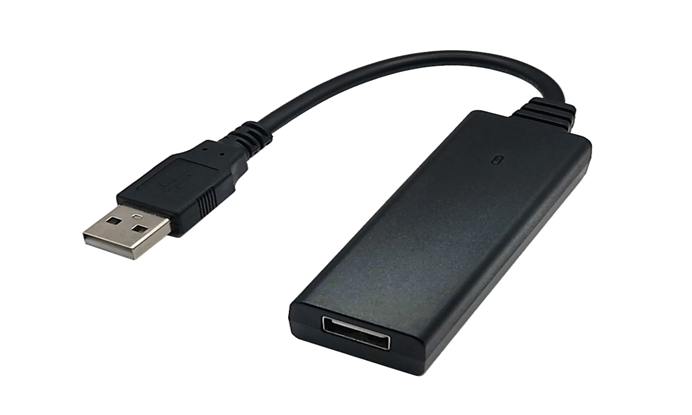
A user’s screen was secretly recorded, capturing passwords and sensitive emails. No software was found, but an HDMI passthrough device was discovered. Look for unknown HDMI devices, monitor screen captures, and investigate physical access.
What is the name of the hacking tool shown in the image?
Question 10.
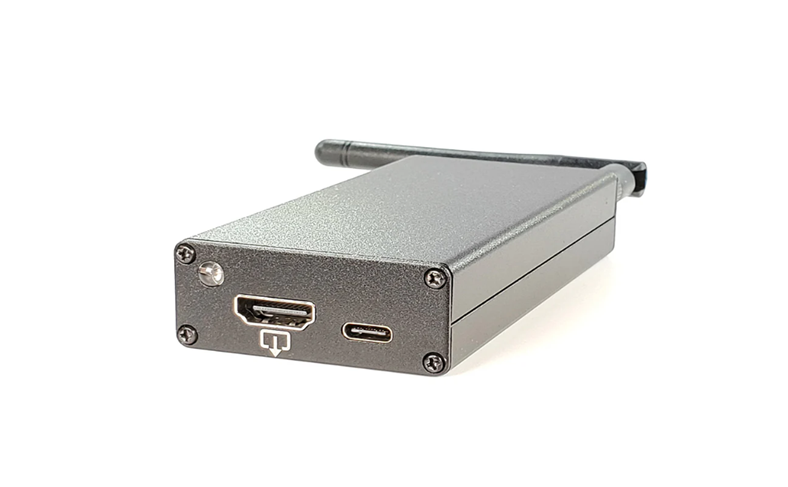
An innocent-looking charging cable was left behind. The moment it was plugged in, payloads executed, opening a backdoor. Could this be a malicious implant? Check for unauthorized PowerShell scripts, rogue USB activity, and remote connections.
What is the name of the hacking tool shown in the image?
Question 11.
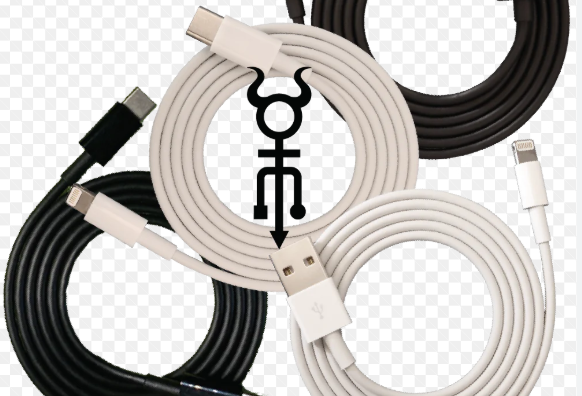
A restricted website was accessed despite network security measures. An invisible proxy tool may have bypassed filtering. Inspect DNS queries, VPN usage, and suspicious IP connections.
What is the name of the hacking tool shown in the image?

Question 12.
Someone suspected a malicious cable in the office and used a hardware detector to verify. It picked up rogue communications! Could there be a hardware implant lurking? Scan for USB devices acting as HID, serial ports, or network interfaces.
What is the name of the hacking tool shown in the image?
Question 13.
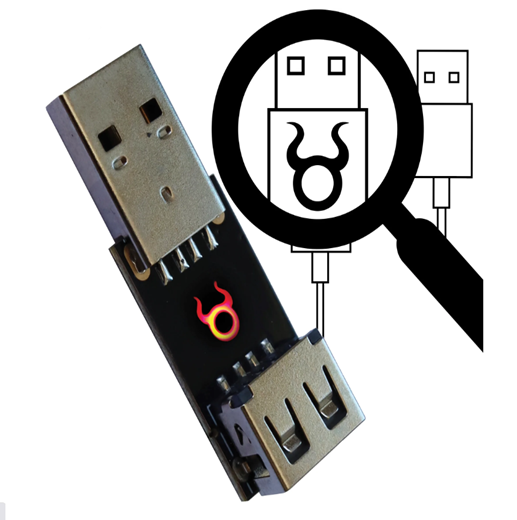
A small device was detected emitting radio signals near the target. Security logs
show multiple Bluetooth pairing attempts from an unknown source. Investigate
possible Bluetooth sniffing or interception attacks.
What is the name of the hacking tool shown in the image?
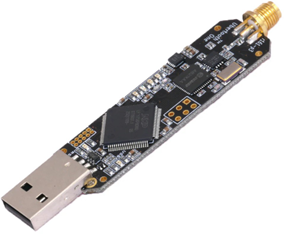
Question 14.
A suspicious card reader was found attached to an access control system. Badge scans were cloned without physical access to the RFID scanner. Identify the possible RFID skimming tool.
What is the name of the hacking tool used?
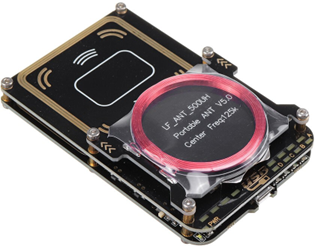
Question 15.
The security team detected unusual Wi-Fi activity. Unauthorized deauthentication attacks were launched against all connected devices. Investigate the rogue access point and determine the tool used.
What is the name of the hacking tool shown in the image?
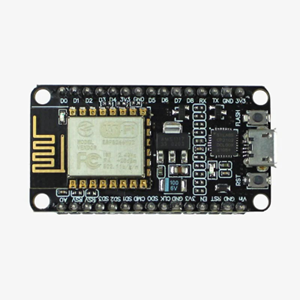
Question 16.
A software-defined radio (SDR) device was found connected to a laptop during an investigation. It was capturing and analyzing radio signals from key fobs and IoT devices. Identify the tool being used for signal interception.
What is the name of the hacking tool shown in the image?
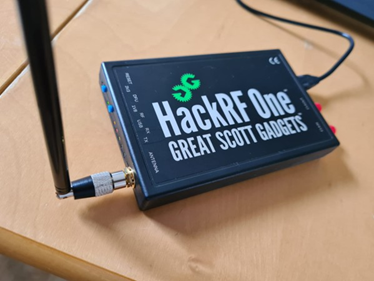
Question 17.
A security researcher demonstrated how they could copy and replay NFC card signals using a small portable device. The device could also act as a fake RFID card for bypassing access control.
What is the name of the hacking tool used?
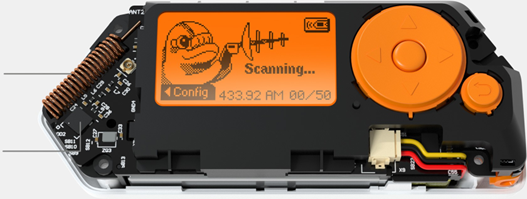
Question 18.
A penetration tester demonstrated a sophisticated attack by exploiting a
vulnerability in a Bluetooth low-energy (BLE) device. The tool used is capable of sniffing and injecting BLE packets to manipulate communication.
What is the name of the hacking tool used?
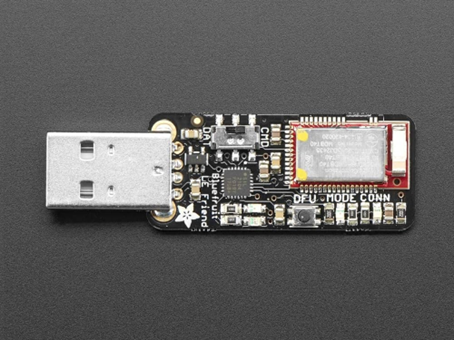
Question 19.
During a physical penetration test, an attacker uses a device capable of eavesdropping on and manipulating mobile phone communication by intercepting GSM, 3G, and LTE signals.
What is the name of the hacking tool used?
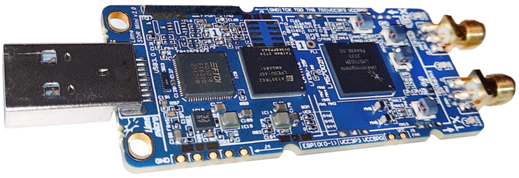
Question 20.
During a physical security audit, a penetration tester uses a device that can detect and decode the communication between RFID-based access cards and readers, specifically those using high-frequency (13.56 MHz) RFID technology.
What is the name of the hacking tool used?
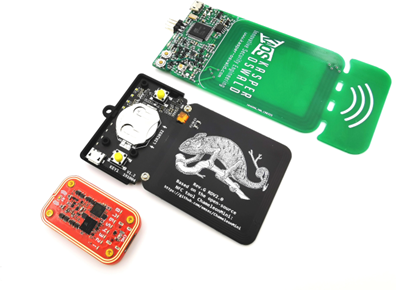
Question 21.
A penetration tester uses a device capable of capturing wireless traffic and performing packet injection on a Zigbee network. This device can also analyze and manipulate Zigbee communications to identify security vulnerabilities in IoT systems.
What is the name of the hacking tool used?
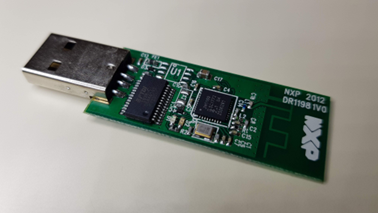
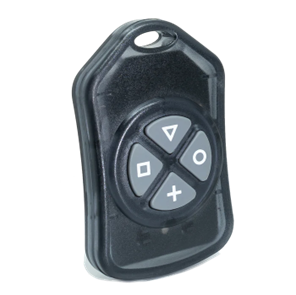
Question 22.
An attacker uses a device to capture and replay key fob signals to unlock a car. The tool can also perform signal analysis and replay attacks on various automotive security systems.
What is the name of the hacking tool used?