Vulnerability Assessment
Introduction to Vulnerability Assessment

Information
Vulnerability Assessment is a systematic process used to identify, analyze, and evaluate security weaknesses present in systems, networks, and applications. Organizations perform vulnerability assessments to reduce the chances of cyberattacks and improve overall security posture. The process helps security teams discover outdated software, weak configurations, exposed services, and other exploitable flaws before attackers can misuse them. Vulnerability assessments are widely used in enterprises, government organizations, and cloud environments to maintain cybersecurity compliance and operational security. Regular assessments also support risk management and help organizations prioritize remediation efforts effectively.
Key Points
- Identifies security weaknesses in systems and networks
- Helps reduce the risk of cyberattacks
- Supports compliance and security standards
- Assists in prioritizing remediation activities
- Improves overall organizational security posture
A company discovers outdated software during a security review. Is this considered a vulnerability?
Vulnerability Assessment helps organizations identify security weaknesses before attackers exploit them.
During an assessment, the security team identifies weak passwords across multiple systems. Does this increase security risk?
Which process identifies security flaws in systems and applications ?
A security analyst ignores known vulnerabilities in a server. Is this considered secure practice ?
Vulnerabilities can exist in hardware, software, and network devices.
An exposed service running on a public server may increase attack possibilities.
Which term describes a weakness that attackers may exploit?
Vulnerability Assessment is mainly performed after a cyberattack only.
A company performs regular security checks to reduce potential threats. Is this a proactive approach?
Which team usually performs vulnerability assessments in an organization ?
Vulnerability Assessment completely guarantees protection from cyberattacks.
Vulnerability Assessment Methodology
Information
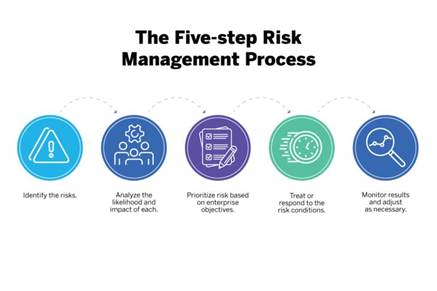
Vulnerability Assessment is a systematic process used to identify, analyze, and evaluate security weaknesses present in systems, networks, and applications. Organizations perform vulnerability assessments to reduce the chances of cyberattacks and improve overall security posture. The process helps security teams discover outdated software, weak configurations, exposed services, and other exploitable flaws before attackers can misuse them. Vulnerability assessments are widely used in enterprises, government organizations, and cloud environments to maintain cybersecurity compliance and operational security. Regular assessments also support risk management and help organizations prioritize remediation efforts effectively.
Key Points
- Identifies security weaknesses in systems and networks
- Helps reduce the risk of cyberattacks
- Supports compliance and security standards
- Assists in prioritizing remediation activities
- Improves overall organizational security posture
A security team defines testing boundaries before starting an assessment. Is this part of planning?
Information gathering is performed before vulnerability analysis.
A company skips the reporting phase after identifying vulnerabilities. Is this recommended practice?
Which phase involves identifying active systems and services?
Risk prioritization helps organizations fix critical vulnerabilities first.
A security analyst scans systems outside the approved scope. Is this acceptable methodology?
Which phase usually comes after vulnerability identification?
Proper methodology improves assessment consistency across multiple environments.
A final assessment report generally contains remediation recommendations.
Vulnerability Assessment methodology only includes scanning activities.
Which phase defines the objectives and targets of an assessment?
A company documents discovered vulnerabilities for management review. Is this part of reporting?
Vulnerability Scanning Techniques
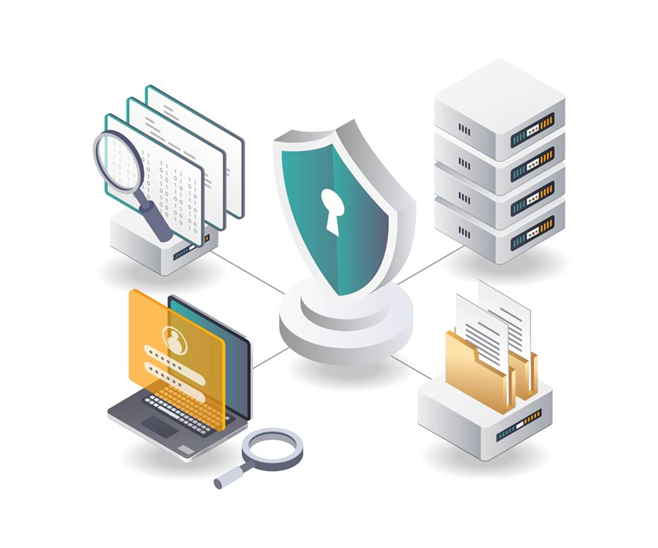
Vulnerability scanning techniques are used to identify security weaknesses across systems, networks, and applications. Security teams use different scanning approaches depending on the target environment and assessment objectives. Active scanning directly interacts with target systems to gather information, while passive scanning monitors traffic without actively engaging the target. Organizations may also perform authenticated scans using valid credentials to detect deeper vulnerabilities within systems. External scans focus on internet-facing assets, whereas internal scans evaluate systems within the organization’s network. Selecting the proper scanning technique improves assessment efficiency and accuracy.
Key Points
- Active scanning interacts directly with targets
- Passive scanning monitors traffic silently
- Authenticated scans provide deeper visibility
- Internal scans evaluate internal infrastructure
- External scans assess public-facing systems
A security tool logs into a server using administrator credentials during scanning. Is this an authenticated scan?
Passive scanning interacts directly with the target system.
An organization scans its public web server from the internet. Is this an external scan?
Which scanning type directly sends requests to target systems?
Internal scanning helps identify vulnerabilities inside organizational networks.
A network administrator performs scans without valid credentials. Is this an authenticated scan?
Which scan type silently analyzes network traffic without direct interaction?
Authenticated scans generally provide more detailed results than unauthenticated scans.
A company evaluates systems accessible from the internet to identify exposure risks. Is this external scanning?
Active scanning cannot detect open ports on target systems.
Which scanning approach evaluates systems from within the organization’s network?
Passive scanning may reduce the chances of disrupting target systems.
Vulnerability Assessment Tools

Information
Vulnerability assessment tools help security professionals automate the process of identifying weaknesses in systems and networks. These tools can detect outdated software, insecure configurations, missing patches, and exposed services across different environments. Commonly used tools include Nessus, OpenVAS, Nikto, Qualys, and Nmap. Some tools specialize in network vulnerability detection, while others focus on web applications or configuration analysis. Automated tools improve assessment speed, accuracy, and reporting efficiency, allowing organizations to identify and remediate vulnerabilities more effectively.
Key Points
- Automates vulnerability identification
- Detects missing patches and misconfigurations
- Supports network and web security testing
- Generates detailed assessment reports
- Improves efficiency and accuracy
A security administrator uses a tool to identify outdated software on servers. Is this vulnerability scanning?
Nessus is commonly used for vulnerability assessment activities.
A company manually checks every device without using security tools. Is this considered automated scanning?
Which tool is widely used for port scanning and network discovery?
Vulnerability scanners can generate assessment reports automatically.
A web security analyst uses Nikto to scan a website for vulnerabilities. Is Nikto related to web assessment?
Which tool is an open-source vulnerability scanner?
Vulnerability assessment tools completely eliminate the need for human analysis.
A security tool identifies missing operating system patches. Is this useful for remediation planning?
Qualys is associated with vulnerability management services.
Which type of tool mainly focuses on identifying security weaknesses automatically?
Security assessment tools should only be used after cyberattacks occur.
Network Vulnerability Assessment

Information
Network Vulnerability Assessment focuses on identifying weaknesses within network infrastructure, communication protocols, and connected devices. Security teams analyze routers, switches, firewalls, servers, and network services to detect insecure configurations and exposed resources. Common network vulnerabilities include open ports, weak protocols, outdated firmware, and improper firewall rules. Attackers often exploit these weaknesses to gain unauthorized access or disrupt network operations. Regular network assessments help organizations strengthen security controls, reduce attack surfaces, and improve overall network resilience against cyber threats.
Key Points
- Identifies weaknesses in network infrastructure
- Detects insecure services and open ports
- Evaluates firewall and protocol security
- Helps reduce network attack surfaces
- Supports secure network configuration
A firewall allows unnecessary inbound traffic from the internet. Does this increase security risk?
Open ports may provide attackers with additional entry points into a network.
A company disables unused network services to reduce exposure. Is this considered good practice?
Which protocol is considered less secure because it transmits data without encryption?
Weak firewall configurations may expose internal systems to attackers.
A network administrator ignores outdated router firmware. Is this secure practice?
Which network component filters incoming and outgoing traffic?
Network vulnerability assessments help identify exposed services and insecure protocols.
An attacker discovers multiple unnecessary open ports during reconnaissance. Does this increase attack opportunities?
Secure protocols generally provide encryption during communication.
Which activity helps identify listening services on a target system?
Disabling unused services may improve network security posture.
Web Application Vulnerability Assessment

Information
Web Application Vulnerability Assessment focuses on identifying security weaknesses present in websites, web portals, and online applications. Modern web applications process sensitive information such as login credentials, financial data, and personal records, making them attractive targets for attackers. Security assessments help identify vulnerabilities like SQL Injection, Cross-Site Scripting (XSS), broken authentication, insecure session management, and improper input validation. These weaknesses may allow attackers to steal data, bypass authentication, or compromise entire systems. Regular web application assessments help organizations improve application security, protect user data, and reduce exposure to web-based cyberattacks.
Key Points
- Identifies vulnerabilities in web applications
- Detects authentication and session weaknesses
- Helps prevent data theft and unauthorized access
- Supports secure input validation practices
- Reduces exposure to web-based attacks
A website accepts malicious database queries through user input fields. Is this a security vulnerability?
SQL Injection targets database-driven applications.
A web application fails to validate user input properly. Can this increase security risks?
Which vulnerability allows attackers to inject malicious scripts into webpages?
Broken authentication may allow attackers to access unauthorized accounts.
A company stores session IDs insecurely in a web application. Is this considered safe practice?
Which attack commonly targets login forms and databases?
Secure web applications should validate user inputs before processing them.
An attacker injects JavaScript code into a comment section viewed by other users. Is this an XSS attack?
HTTPS helps protect data transmitted between users and web servers.
Which mechanism is commonly used to maintain user sessions after login?
Web application vulnerabilities only affect frontend design and appearance.
System Vulnerability Assessment
Information
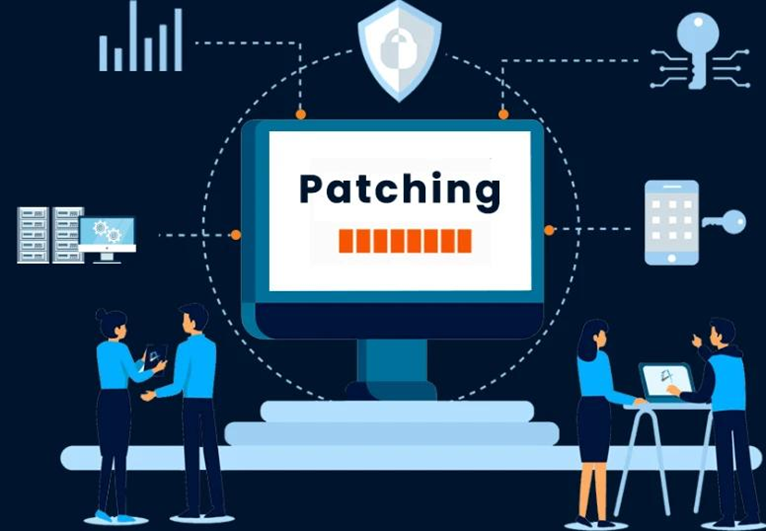
System Vulnerability Assessment focuses on identifying weaknesses within operating systems, installed software, user accounts, and system configurations. Security teams evaluate systems for missing security patches, insecure services, weak passwords, excessive privileges, and outdated applications. Attackers often exploit poorly configured systems to gain unauthorized access or escalate privileges within an environment. Regular assessments help organizations maintain secure configurations, improve patch management, and reduce the risk of system compromise. Proper system hardening and continuous monitoring are essential for maintaining secure operational environments.
Key Points
- Detects missing patches and outdated software
- Identifies weak passwords and privilege issues
- Supports secure system configurations
- Helps improve patch management processes
- Reduces the risk of unauthorized access
A server is running outdated operating system patches. Does this increase vulnerability risks?
Weak passwords can increase the chances of unauthorized system access.
A system administrator disables unnecessary services on a server. Is this considered good security practice?
Which process involves installing security updates to fix vulnerabilities?
Excessive user privileges may increase security risks inside an organization.
A company allows all users administrative access on workstations. Is this secure configuration?
Which security principle limits user access to only required resources?
System hardening helps reduce exploitable weaknesses in operating systems.
An attacker exploits an unpatched vulnerability to gain system access. Could patching have reduced the risk?
Antivirus software can help detect malicious files on systems.
Which type of account generally has the highest system privileges?
Disabling unused accounts may improve system security posture.
Wireless Vulnerability Assessment
Information
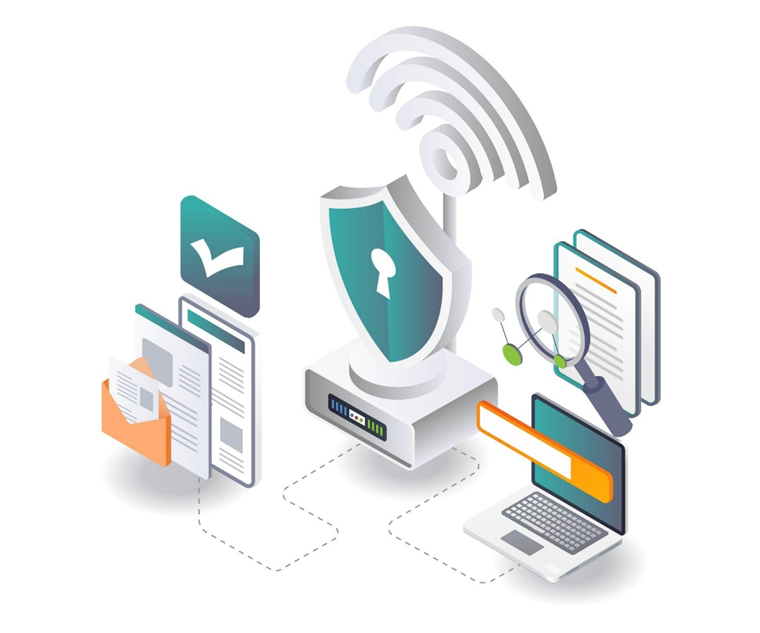
Wireless Vulnerability Assessment focuses on identifying security weaknesses within wireless networks and Wi-Fi communication environments. Wireless networks are highly convenient but may expose organizations to unauthorized access if not secured properly. Security teams analyze encryption methods, wireless authentication mechanisms, rogue access points, signal exposure, and insecure configurations. Weak encryption standards and default credentials are common wireless security risks that attackers may exploit. Conducting regular wireless assessments helps organizations secure wireless communication, protect sensitive data, and prevent unauthorized access to internal networks.
Key Points
- Identifies wireless network security weaknesses
- Detects weak encryption configurations
- Helps prevent unauthorized wireless access
- Supports secure Wi-Fi authentication
- Reduces exposure to rogue access points
A wireless network uses outdated encryption protocols. Does this increase security risks?
WPA2 is generally considered more secure than WEP.
A company leaves default router passwords unchanged. Is this secure practice?
Which wireless encryption protocol is considered weak and outdated?
Rogue access points may allow attackers to intercept wireless traffic.
A wireless administrator disables unnecessary SSID broadcasting for additional security. Is this a protective measure?
Which wireless protocol is commonly used to secure modern Wi-Fi networks?
Wireless vulnerability assessments help identify insecure wireless configurations.
An attacker connects to an unsecured public Wi-Fi network to intercept traffic. Is this a wireless security concern?
Strong wireless passwords improve protection against unauthorized access.
Which device provides wireless connectivity within a network?
Wireless networks do not require security monitoring once configured properly.
Risk Analysis and Reporting
Information
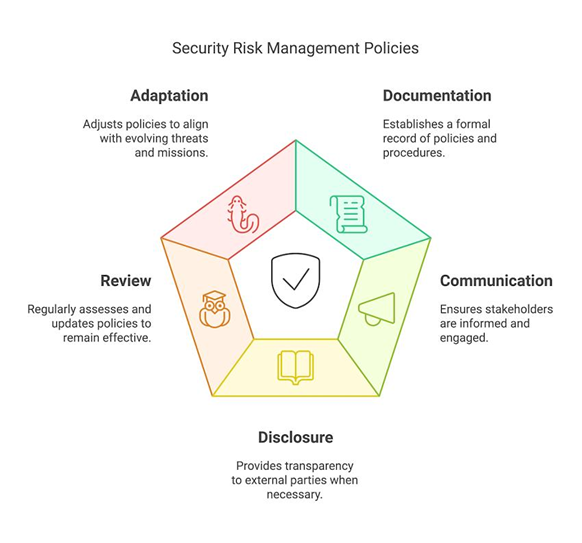
Risk Analysis and Reporting are essential stages of vulnerability assessment that help organizations understand the impact and severity of identified weaknesses. Security teams evaluate vulnerabilities based on exploitability, potential damage, business impact, and likelihood of attack. Proper risk prioritization allows organizations to focus remediation efforts on critical issues first. Detailed reports provide technical findings, risk ratings, affected systems, and recommended mitigation strategies. Effective reporting improves communication between security teams, management, and technical departments, ensuring vulnerabilities are addressed systematically and efficiently.
Key Points
- Evaluates vulnerability severity and impact
- Helps prioritize remediation efforts
- Supports decision-making and risk management
- Provides documentation for security findings
- Improves communication across teams
A critical vulnerability affecting sensitive systems should generally receive high remediation priority.
Risk analysis helps organizations prioritize vulnerabilities based on impact.
A company ignores vulnerability reports after assessments are completed. Is this recommended security practice?
Which scoring system is commonly used to measure vulnerability severity?
Security reports often include remediation recommendations for identified vulnerabilities.
An organization prioritizes low-risk vulnerabilities over critical vulnerabilities. Is this effective risk management?
Which document summarizes vulnerabilities, risks, and mitigation steps?
Risk analysis considers both impact and likelihood of exploitation.
A vulnerability with public exploit availability may increase organizational risk.
Proper reporting improves communication between technical and management teams.
Which rating generally indicates the highest vulnerability severity?
Vulnerability reports should only contain technical terminology without explanations.
Best Practices and Mitigation

Information
Best Practices and Mitigation strategies help organizations reduce vulnerabilities and strengthen cybersecurity defenses. Security teams implement measures such as regular patch management, secure configurations, strong authentication, continuous monitoring, and employee awareness training to minimize risks. Effective mitigation strategies reduce the likelihood of successful cyberattacks and improve incident response capabilities. Organizations also use security policies, access controls, and backup procedures to maintain operational security and resilience. Continuous improvement and proactive defense mechanisms are essential for maintaining long-term cybersecurity protection.
Key Points
- Supports proactive cybersecurity defense
- Encourages secure system configurations
- Helps reduce attack surfaces
- Improves incident response readiness
- Promotes continuous security improvement
Regular patch management helps reduce vulnerability exposure in systems.
Strong passwords improve overall organizational security.
A company disables security monitoring tools to improve system performance. Is this recommended practice?
Which process involves applying updates to fix known vulnerabilities?
Multi-factor authentication adds additional protection to user accounts.
An organization regularly reviews firewall rules to remove unnecessary access. Is this a security best practice?
Which security practice limits access based on user responsibilities?
Continuous monitoring helps organizations detect suspicious activities quickly.
A company performs regular backups to prepare for ransomware incidents. Is this a mitigation strategy?
Employee security awareness training may reduce phishing attack success rates.
Which process strengthens systems by removing unnecessary services and configurations?
Cybersecurity mitigation strategies should only be implemented after a security breach occurs.
CVE, CVSS, NIST, and NVD
Information
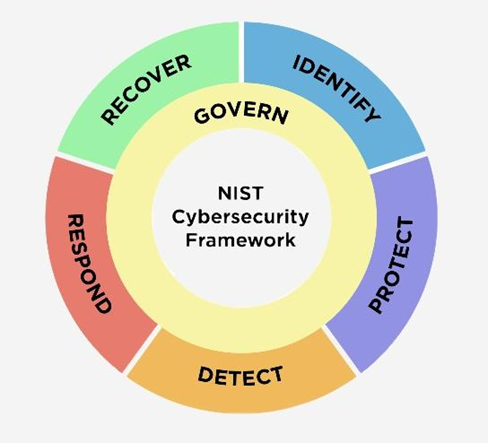
CVE, CVSS, NIST, and NVD are important components used in modern vulnerability management and cybersecurity operations. CVE (Common Vulnerabilities and Exposures) provides standardized identifiers for publicly known security vulnerabilities, allowing organizations and security professionals to reference vulnerabilities consistently across tools and reports. CVSS (Common Vulnerability Scoring System) is used to calculate the severity and impact level of vulnerabilities using numerical scores and risk metrics. NIST (National Institute of Standards and Technology) develops cybersecurity standards, frameworks, and best practices that help organizations improve security operations. The NVD (National Vulnerability Database) is maintained by NIST and contains detailed vulnerability information, CVSS scores, references, and security analysis data for publicly disclosed vulnerabilities.
Key Points
- CVE provides unique identifiers for vulnerabilities
- CVSS measures vulnerability severity
- NIST develops cybersecurity standards and frameworks
- NVD stores vulnerability intelligence and scoring data
- Security teams use these resources for risk management
A vulnerability identified as CVE-2024-0001 represents a publicly documented security flaw.
CVSS is used to measure vulnerability severity levels.
An organization ignores CVSS ratings while prioritizing vulnerabilities. Is this effective risk management?
Which system provides standardized identifiers for publicly known vulnerabilities?
NVD is maintained by NIST for vulnerability management purposes.
A security analyst searches vulnerability details using a CVE identifier. Is this common practice?
Which organization develops cybersecurity standards and security frameworks?
CVSS scores help organizations understand vulnerability severity and impact.
A vulnerability with a high CVSS score generally requires faster remediation.
NVD only stores hardware inventory information and not vulnerability details.
Which database contains CVE entries along with severity scoring information?
Security teams commonly use CVE references during vulnerability reporting and remediation activities.