
Sniffing
What is Sniffing

Introduction
Sniffing is one of the most important concepts in network security and traffic analysis. In modern computer networks, data continuously travels between systems in the form of packets.
Understanding how these packets move, how they can be captured, and how attackers misuse network communication is essential for cybersecurity professionals.
This module introduces the foundations of sniffing, explains how traffic is monitored inside a network, and demonstrates how packet capture techniques are used in both defensive and offensive security environments.
Inside every active network, thousands of packets move between systems every second. These packets contain communication details such as source addresses, destination addresses, protocols, authentication requests, and service information.
Sniffing refers to the process of capturing and analyzing this network traffic while it travels across the communication medium.
Network Monitoring
Network administrators commonly use sniffing techniques to troubleshoot connectivity problems, monitor bandwidth usage, identify abnormal traffic patterns, and verify protocol behavior.
Ethical hackers and security researchers study packet analysis to understand how attackers intercept sensitive information and exploit insecure communication channels.
Insecure Protocols
Malicious actors use sniffing to capture usernames, passwords, cookies, emails, and confidential information transmitted through insecure protocols.
Protocols such as HTTP, FTP, POP3, and Telnet are considered vulnerable because they often transmit data in plain text form.
Promiscuous Mode
Sniffing tools operate by placing the network interface card into promiscuous mode.
In this mode, the interface accepts all packets visible on the network segment rather than only frames addressed to the host machine.
This allows the system to observe and inspect nearby traffic in detail.
Enterprise Security Operations
In enterprise environments, packet sniffing is also used during digital forensics, malware investigations, and incident response operations.
Analysts review captured packets to reconstruct communication events and identify indicators of compromise.
Security Importance
Understanding sniffing creates the foundation for learning advanced interception attacks such as ARP poisoning, MAC flooding, session hijacking, and traffic redirection techniques.
During a security audit, an analyst captures packets moving across the network. Which process is being performed?
Sniffing can be used for troubleshooting network problems.
A packet analyzer displays usernames transmitted through Telnet. Was the communication encrypted?
Which NIC mode allows a system to capture all visible traffic?
A penetration tester studies packet movement between hosts. Which activity is involved?
HTTP traffic may expose readable information.
An investigator reviews captured packets after a breach. Which field is involved?
A network tool captures DNS requests from multiple systems. Is sniffing occurring?
Which protocol is commonly considered insecure for remote login?
Sniffing only exists in wireless networks.
A machine receives packets not originally addressed to it. Which mode is enabled?
An attacker captures login credentials from FTP traffic. Was the protocol secure?
Types of Attacks in Sniffing
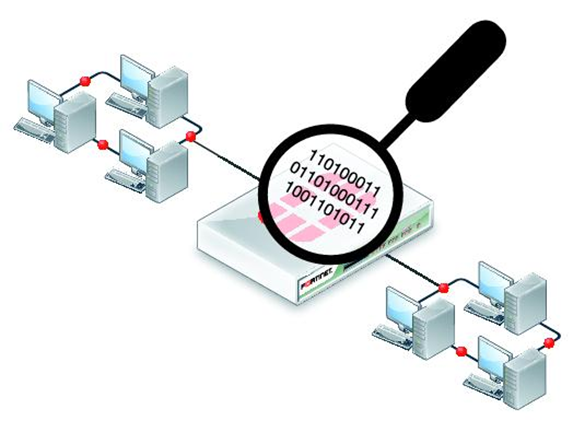
Sniffing attacks are categorized according to the method used to intercept communication inside a network. Attackers select different techniques depending on the architecture of the environment, the type of switch deployed, and the level of access available.
Passive Sniffing
Passive sniffing is commonly performed in hub-based environments where packets are naturally visible to every connected system.
Since traffic is already broadcasted, the attacker silently captures communication without altering the network flow.
This method is difficult to detect because no traffic manipulation occurs.
Active Sniffing
Active sniffing is used in switched networks where packets are forwarded only to intended systems.
To bypass this limitation, attackers manipulate network behavior through techniques such as:
- ARP Poisoning
- MAC Flooding
- DHCP Spoofing
- Port Stealing Attacks
Protocol-Based Sniffing
Protocol-based sniffing focuses on intercepting insecure protocols that transmit information in readable form.
Attackers commonly target:
- FTP
- HTTP
- POP3
- Telnet
These protocols may expose usernames, passwords, cookies, and session information.
Wireless Sniffing
Wireless sniffing introduces another layer of interception where attackers capture Wi-Fi communication using monitor mode wireless adapters.
Weak encryption standards and poorly configured wireless networks increase the risk of packet interception.
Combined Attack Techniques
Modern attackers frequently combine sniffing with spoofing and social engineering techniques to improve the success rate of credential theft and session hijacking attacks.
An attacker silently captures packets on a hub without modifying traffic flow. Which sniffing type is this?
Active sniffing is commonly used in switched networks.
An attacker manipulates ARP tables to redirect traffic. Which attack category is involved?
Which attack targets readable credentials transmitted through Telnet?
Passive sniffing is harder to detect.
A wireless adapter captures nearby Wi-Fi packets. Which sniffing type is involved?
During a lab assessment, an attacker overloads a switch table to intercept traffic. Which attack is this?
An attacker captures HTTP cookies to hijack sessions. Which activity follows sniffing?
FTP commonly transmits credentials securely by default.
A tester redirects communication between two systems before capturing packets. Which attack style is involved?
Which environment makes passive sniffing easier?
An attacker captures packets from a poorly secured Wi-Fi network. Which environment is targeted?
Difference Between Switch, Hub, and MAC Address
Before understanding advanced sniffing attacks, it is important to understand how network devices manage communication. Hubs, switches, and MAC addresses directly influence how packets travel inside a local network and determine whether traffic interception becomes easy or difficult.
Hubs
A hub is considered a simple Layer 1 networking device. Whenever a packet enters one port, the hub forwards the same traffic to every connected system.
This creates a shared communication environment where all devices can observe nearby traffic. Because of this broadcasting behavior, passive sniffing becomes extremely easy in hub-based networks.
Switches
A switch operates differently. Instead of broadcasting packets everywhere, a switch intelligently forwards traffic only to the intended destination.
It performs this operation using a CAM table that stores MAC address mappings associated with physical switch ports.
This improves network performance and limits unnecessary traffic exposure.
MAC Addresses
MAC addresses are unique hardware identifiers assigned to network interface cards. These addresses operate at the Data Link Layer of the OSI model and help switches identify systems connected to the network.
Attackers frequently manipulate MAC addresses during spoofing and flooding attacks to bypass restrictions or confuse switching logic.
Enterprise Network Security
Modern enterprise networks rely heavily on switches because they provide improved efficiency, segmentation, and security compared to hubs.
However, attackers developed techniques such as MAC flooding and ARP poisoning to bypass switch protections and regain packet visibility.
Security Importance
Understanding the relationship between hubs, switches, and MAC addresses is essential for analyzing packet movement and learning how interception attacks function inside real-world networks.
A device broadcasts incoming packets to every connected host. Which device is this?
A switch forwards traffic using MAC addresses.
Which identifier is assigned to a network interface card?
In which environment is passive sniffing easier?
A switch stores MAC-to-port mappings inside which table?
MAC addresses operate at Layer 2.
An administrator notices packets only reach intended devices. Which hardware is likely deployed?
A network card changes its visible hardware identity. Which activity is occurring?
Which device improves traffic segmentation in enterprise networks?
Hub-based networks increase packet visibility.
An attacker targets switch forwarding memory with fake addresses. Which component is affected?
Which network device operates mainly at Layer 1?
What is ARP Poisoning
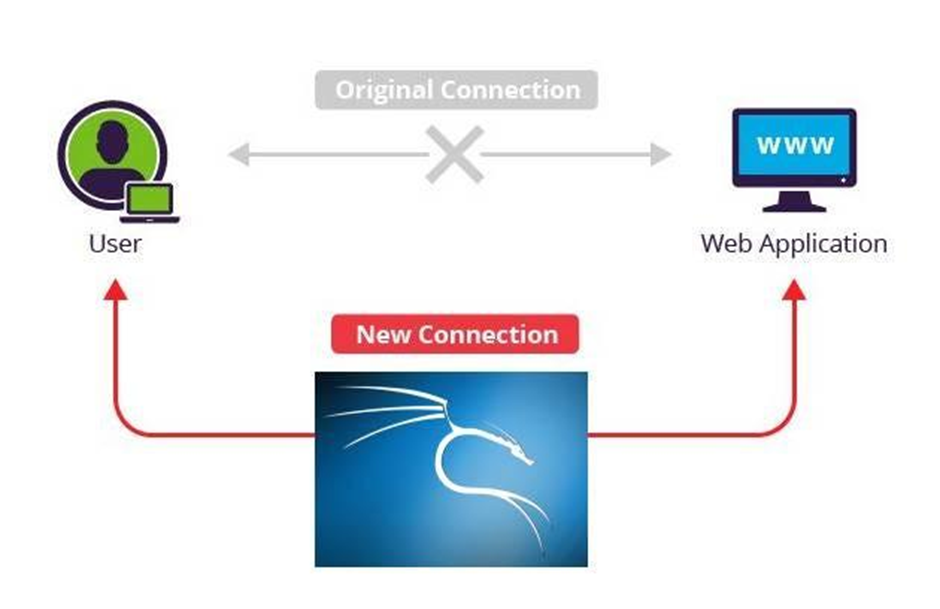
What is ARP Poisoning
ARP poisoning is one of the most widely used techniques for performing active sniffing attacks inside switched networks.
The Address Resolution Protocol (ARP) is responsible for translating IP addresses into MAC addresses so that systems can communicate within a local network.
ARP Cache
Every device maintains an ARP cache that stores previously learned IP-to-MAC mappings.
Systems trust these mappings automatically to improve communication speed and reduce repeated ARP requests across the network.
ARP Poisoning Attack
During an ARP poisoning attack, the attacker sends forged ARP replies containing false MAC address information.
Victim systems unknowingly update their ARP cache and associate the attacker’s MAC address with another trusted device, commonly the default gateway.
Traffic Redirection
Once the poisoned mapping is accepted, traffic intended for the legitimate system is redirected through the attacker’s machine.
This allows the attacker to monitor, intercept, or even modify packets before forwarding them to the real destination.
This technique creates a man-in-the-middle communication channel.
Security Risks
ARP poisoning becomes highly dangerous when insecure protocols are used because attackers can capture readable usernames, passwords, session cookies, and confidential communication.
Defensive Security Measures
Security professionals defend against ARP poisoning using:
- Encryption
- Dynamic ARP Inspection
- Intrusion Detection Systems
- VLAN Segmentation
- Static ARP Entries
These protections help reduce interception risks in sensitive enterprise environments.
An attacker sends forged ARP replies to redirect traffic. Which attack is occurring?
ARP maps IP addresses to MAC addresses.
Which attack position is commonly created through ARP poisoning?
A victim updates its ARP cache with incorrect information. Was trust exploited?
Which local table stores IP-to-MAC mappings?
ARP poisoning is common in switched networks.
An attacker redirects gateway traffic through their machine. Which protocol is abused?
A penetration tester captures credentials after redirecting packets. Which attack supported the interception?
ARP validates replies cryptographically.
An attacker intercepts packets between two systems without authorization. Which attack style is involved?
Can encrypted communication reduce sniffing risks during ARP attacks?
Duplicate MAC mappings appear during monitoring. Which attack may exist?
What is MAC Spoofing
What is MAC Spoofing
MAC spoofing is the process of changing or impersonating the hardware address of a network interface card.
Since many network devices rely on MAC addresses for identification and access control, attackers manipulate these addresses to bypass restrictions, imitate trusted systems, or hide their real identity.
MAC Address Identification
Every network adapter is assigned a unique MAC address by the manufacturer.
However, operating systems allow software-level modification of the visible MAC address.
Attackers exploit this flexibility to clone authorized devices already trusted by the network infrastructure.
Wireless Network Attacks
In wireless environments, MAC spoofing is frequently used to bypass MAC filtering mechanisms.
If an attacker captures the MAC address of a permitted device through sniffing, they may later impersonate that device to gain unauthorized access to the network.
Security Testing
MAC spoofing is also used during penetration testing and security assessments to evaluate whether an organization relies too heavily on weak identification mechanisms.
Since MAC addresses can be modified easily, relying solely on MAC filtering is considered insecure.
Detection & Prevention
Security teams detect spoofing attempts by monitoring:
- Duplicate MAC addresses
- Suspicious vendor identifiers
- Inconsistent device behavior
- Unauthorized connection patterns
Stronger authentication controls and network access control systems help reduce the risk of spoofing attacks.
An attacker changes a network card identity to imitate another system. Which technique is this?
MAC filtering alone provides strong security.
Which identifier is cloned during MAC spoofing?
A wireless attacker copies an authorized device identity. Which attack is involved?
Can operating systems modify visible MAC addresses?
Duplicate MAC addresses may indicate spoofing activity.
A penetration tester imitates a trusted workstation to bypass restrictions. Which technique is being used?
Which OSI layer uses MAC addresses?
An organization relies only on MAC filtering for authentication. Is this secure?
MAC spoofing can assist network evasion.
An attacker hides their original hardware address during monitoring. Which process is occurring?
Can network access control reduce spoofing attacks?
What is MAC Flooding?
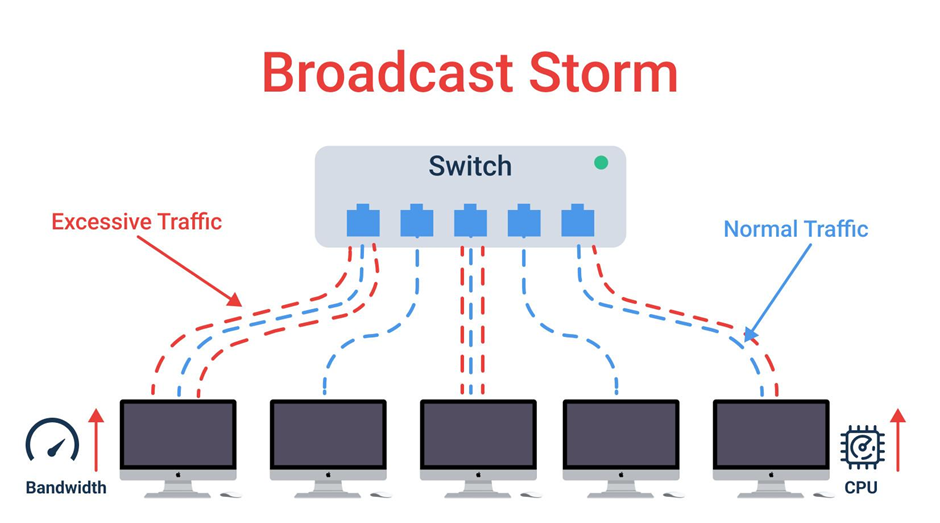
What is MAC Flooding?
MAC flooding is an attack technique used against network switches to force abnormal traffic forwarding behavior.
Switches rely on a CAM table to store MAC address mappings associated with switch ports. This allows switches to intelligently forward packets only to intended systems.
CAM Table Manipulation
During a MAC flooding attack, the attacker rapidly sends thousands of packets containing fake source MAC addresses.
The switch continuously learns these fake entries and stores them inside the CAM table until the table becomes full.
Switch Behavior After Flooding
Once the CAM table reaches capacity, the switch may no longer correctly determine where traffic should be forwarded.
In many cases, it begins broadcasting packets to multiple ports similarly to a hub.
This behavior increases traffic visibility and allows attackers to capture packets that normally would remain private.
Sniffing & Traffic Interception
MAC flooding is commonly combined with sniffing tools in switched environments where passive sniffing is otherwise difficult.
Older switches and poorly configured infrastructure are more vulnerable to this type of attack.
Defensive Security Measures
Administrators reduce flooding risks using:
- Port Security
- MAC Address Limitations
- VLAN Segmentation
- Switch Monitoring
- Modern Hardware Protections
These protections help detect abnormal MAC learning behavior and prevent unauthorized traffic interception.
Security Importance
Understanding MAC flooding demonstrates how attackers manipulate switch operations to regain packet visibility inside enterprise networks.
An attacker overloads a switch using thousands of fake hardware addresses. Which attack is occurring?
MAC flooding targets switch forwarding memory.
A switch begins broadcasting traffic after memory exhaustion. Which older device behavior is being imitated?
Which table stores MAC-to-port mappings in a switch?
Can MAC flooding support sniffing attacks?
Port security can reduce flooding attacks.
A tester rapidly generates fake MAC entries during a lab assessment. Which switch resource is targeted?
Excessive broadcasting suddenly appears inside a switched network. Could flooding exist?
Which environment is commonly targeted during MAC flooding attacks?
Flooding attacks manipulate switch behavior.
A switch loses accurate forwarding information after overload. Which issue occurred?
Which security feature limits learned MAC addresses per port?
Windows-Based Tools for Sniffing
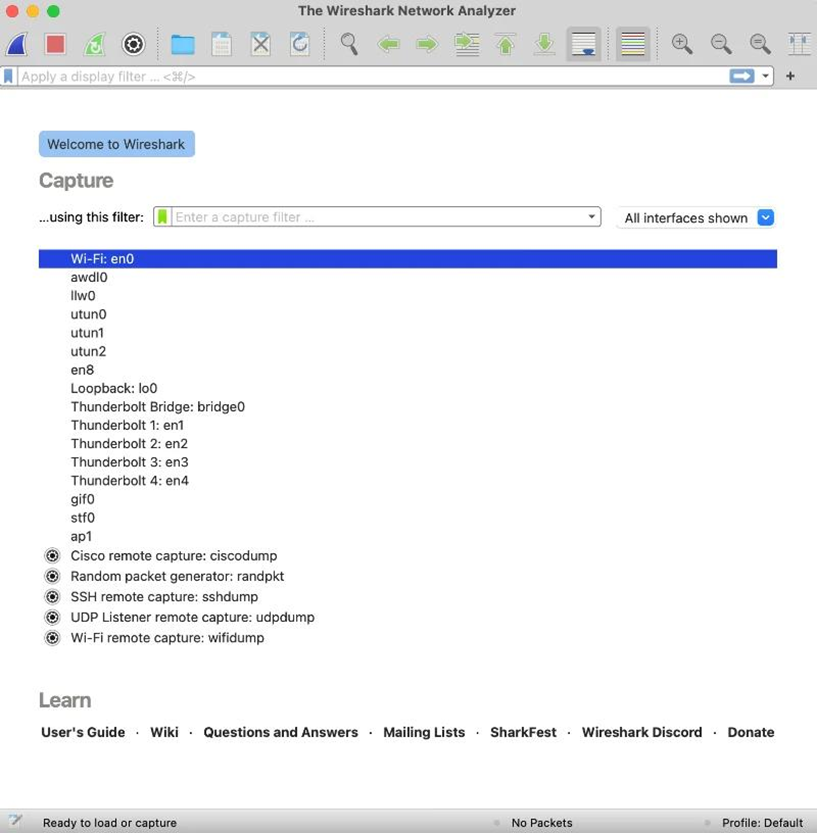
Windows-Based Tools for Sniffing
Windows-based sniffing tools are widely used for packet analysis, traffic monitoring, network troubleshooting, and cybersecurity investigations.
These tools provide graphical interfaces that simplify packet inspection and protocol analysis for administrators, ethical hackers, and incident response teams.
Wireshark
Wireshark is one of the most recognized packet analyzers in cybersecurity.
It captures network traffic in real time and supports deep inspection of hundreds of protocols.
Analysts use filters to isolate suspicious packets, examine authentication requests, identify protocol anomalies, and investigate malicious communication patterns.
Microsoft Network Monitor
Microsoft Network Monitor and Microsoft Message Analyzer were developed to help administrators debug protocol interactions and monitor Windows-based communication environments.
These tools assisted in understanding traffic behavior and troubleshooting connectivity problems.
Cain & Abel
Cain & Abel became well known in security training environments for password recovery, ARP poisoning, and credential interception capabilities.
It demonstrated how insecure protocols expose sensitive information during network communication.
Ettercap
Ettercap is another commonly used tool associated with man-in-the-middle attacks, traffic interception, and packet manipulation.
Security researchers frequently use Ettercap in controlled lab environments to demonstrate active sniffing attacks.
Ethical & Legal Considerations
Although these tools are valuable for legitimate security operations, unauthorized packet capture may violate legal regulations and organizational policies.
Ethical usage and proper authorization remain essential while performing network analysis.
Which Windows-based tool is widely known for packet analysis?
Wireshark supports protocol inspection.
An analyst filters captured packets to identify suspicious traffic. Which activity is occurring?
Which tool became known for password recovery and ARP poisoning?
A security engineer intercepts communication during a controlled lab test using Ettercap. Which attack style is supported?
Unauthorized sniffing may violate policies.
Which tool captures packets in real time with graphical analysis?
A Windows administrator studies protocol communication failures. Which process is being performed?
Can sniffing tools analyze HTTP traffic?
Packet analyzers help incident response teams.
An engineer isolates DNS packets using display rules. Which feature is applied?
Which tool is commonly associated with packet dissection?
Mitigation and Prevention

Mitigation and Prevention
Mitigation and prevention strategies play a critical role in defending networks against sniffing attacks.
Since attackers rely on traffic visibility and insecure communication channels, organizations must secure both infrastructure and data transmission methods.
Encryption
Encryption is considered one of the strongest defenses against sniffing.
Secure protocols such as HTTPS, SSH, SFTP, and VPN tunneling protect sensitive communication by converting readable data into encrypted form.
Even if attackers capture packets, the information remains difficult to interpret.
Switch Security
Switch security features reduce the success rate of active sniffing attacks.
Technologies such as port security, Dynamic ARP Inspection, DHCP snooping, and VLAN segmentation help prevent unauthorized traffic manipulation and switch exploitation.
Wireless Security
Wireless environments require strong encryption standards such as WPA2 or WPA3 to reduce packet interception risks.
Weak wireless security configurations often expose organizations to credential theft and unauthorized monitoring.
Network Monitoring
Network monitoring systems and intrusion detection solutions help administrators identify suspicious activities.
Security teams monitor:
- Unusual ARP traffic
- Duplicate MAC addresses
- Unexpected packet forwarding behavior
- Excessive broadcast communication
User Awareness
User awareness is equally important in preventing sniffing attacks.
Employees should avoid insecure protocols, verify secure connections before authentication, and remain cautious while transmitting confidential information over public networks.
Security Best Practices
Effective prevention combines secure configurations, encryption, continuous monitoring, traffic analysis, and strong organizational security practices.
Which security method protects captured traffic from being readable?
HTTPS reduces sniffing risks.
An organization replaces Telnet with SSH. Was security improved?
Which switch feature limits MAC addresses on ports?
WPA3 improves wireless protection.
An administrator monitors duplicate MAC activity across the network. Which objective is involved?
Which protocol is safer for remote administration?
Can VPN tunneling reduce sniffing exposure?
A switch blocks forged ARP replies automatically. Which protection may exist?
Plain text protocols increase interception risks.
Employees verify secure website connections before logging in. Which concept is applied?
Which monitoring solution helps identify suspicious traffic behavior?
Passive and Active Sniffing
Passive and Active Sniffing
Passive and active sniffing represent the two major approaches used for capturing network communication.
The effectiveness of each method depends heavily on the architecture of the network and the visibility of packet transmission inside the environment.
Passive Sniffing
Passive sniffing occurs when an attacker silently monitors network traffic without altering communication behavior.
This technique is most effective in hub-based environments where packets are naturally broadcasted to all connected systems.
Since no traffic manipulation occurs, passive sniffing is often difficult to detect.
Active Sniffing
Active sniffing is used in switched environments where direct packet visibility is limited.
Attackers manipulate network communication using techniques such as:
- ARP Poisoning
- MAC Flooding
- DHCP Spoofing
- Switch Exploitation
These techniques redirect or expose traffic so attackers can capture sensitive communication.
Detection and Monitoring
Passive sniffing generally produces minimal network disturbance, while active sniffing introduces abnormal traffic behavior that can trigger alerts within monitoring systems.
Security teams often identify active attacks by monitoring:
- Duplicate MAC addresses
- Suspicious ARP activity
- Unexpected broadcast traffic
Security Importance
Understanding the difference between passive and active sniffing helps analysts identify attacker methodologies and strengthen network defenses against interception attacks.
Which sniffing technique silently captures traffic without modifying communication?
Active sniffing manipulates network behavior.
Which environment commonly supports passive sniffing?
An attacker performs ARP poisoning before packet interception. Which sniffing style is involved?
Passive sniffing is harder to detect.
Which network device limits passive packet visibility?
A tester redirects communication before monitoring packets. Which technique category is being used?
Can active sniffing generate suspicious network activity?
Which sniffing method depends on shared communication media?
Switched networks encourage active sniffing attacks.
A monitoring system detects abnormal ARP requests repeatedly. Which sniffing type may exist?
Which approach avoids direct packet modification?
Sniffing Detection Techniques

Sniffing Detection Techniques
Detecting sniffing activity inside a network is an important responsibility for security administrators and incident response teams.
Since attackers attempt to capture communication secretly, organizations deploy monitoring mechanisms to identify suspicious behavior before sensitive information is compromised.
Promiscuous Mode Detection
One common detection method involves identifying systems operating in promiscuous mode.
Under normal conditions, a network interface card processes only packets addressed to its own device.
Systems configured to accept all visible packets may indicate packet capture activity.
Network Traffic Monitoring
Security administrators monitor abnormal ARP traffic, duplicate MAC addresses, unexpected broadcast communication, and suspicious switch behavior.
These indicators often suggest active sniffing attacks such as ARP poisoning or MAC flooding.
Intrusion Detection Systems
Intrusion Detection Systems and Security Information and Event Management platforms help organizations detect unusual network patterns in real time.
Logs generated from switches, firewalls, and endpoints assist analysts during investigations and incident response activities.
Network Segmentation
Network segmentation and proper switch configuration reduce unnecessary traffic exposure and make unauthorized interception more difficult.
Security teams also perform periodic traffic audits to identify unauthorized sniffing tools operating within the infrastructure.
Modern Detection Strategies
Modern enterprise environments combine automated monitoring, behavioral analysis, and access control policies to strengthen network visibility and improve early attack detection capabilities.
A security team identifies a network card accepting all visible packets. Which mode is detected?
Duplicate MAC addresses may indicate sniffing-related attacks.
Which security solution detects abnormal network behavior in real time?
An administrator notices excessive ARP replies across the network. Which attack may exist?
Switch logs assist during investigations.
A switch unexpectedly begins broadcasting excessive traffic. Which attack could be responsible?
Which platform collects and analyzes security logs centrally?
Can network segmentation reduce packet exposure?
An analyst searches for unauthorized packet capture tools on endpoints. Which objective is involved?
Promiscuous mode always indicates malicious activity.
Which attack commonly generates suspicious ARP activity?
A security team performs regular traffic inspections to identify interception attempts. Which process is occurring?