
Malware Threat
Introduction to Malware
Information
Malware refers to malicious software created to disrupt, damage, or gain unauthorized access to computer systems and networks. Cybercriminals use malware for data theft, financial fraud, espionage, and system disruption. Modern malware attacks target both individuals and organizations through emails, downloads, infected websites, and removable devices. Understanding malware is important because it helps security professionals identify threats before they compromise systems. Malware attacks continue to evolve with advanced obfuscation, stealth techniques, and automated spreading mechanisms.
Key Points
- Malware is designed for unauthorized or harmful activities.
- Malware can spread through emails, websites, and USB devices.
- Attackers often use social engineering to deliver malware.
- Some malware types focus on data theft while others focus on disruption.
- Antivirus and security monitoring help reduce malware risks.
Malware is designed to perform harmful activities on systems.
A user downloads a suspicious attachment from an unknown email and the system becomes infected. What caused the infection?
Malware can only infect servers and not personal computers.
Which technique is commonly used to trick users into downloading malware?
A fake software update installs malicious files in the background. What type of activity is this?
Antivirus software helps detect malicious programs.
A company employee plugs in an infected USB drive causing multiple systems to become compromised. What was the infection source?
Which security practice helps prevent malware execution from unknown files?
An attacker hides malicious code inside cracked software downloaded by users.
What delivery method is used?
Security awareness training can reduce malware infections.
Virus and Worm Threats
Information
Viruses and worms are common malware categories that spread between systems in different ways. A virus requires user interaction such as opening an infected file, while a worm can spread automatically across networks without human assistance. These threats can damage files, consume system resources, and disrupt organizational operations. Worm outbreaks can rapidly impact large networks if proper segmentation and patching are not implemented. Security teams use monitoring tools, endpoint protection, and patch management to reduce the risk of infections.
Key Points
- Viruses usually require user interaction.
- Worms spread automatically across networks.
- Unpatched systems are common targets.
- Network segmentation reduces worm propagation.
- Endpoint protection helps identify suspicious activity.
A malicious program spreads automatically between devices without user interaction. What type of malware is it?
Viruses usually need a host file to spread.
Worms can consume network bandwidth during propagation.
A user opens an infected document and the malware activates immediately.
What type of malware behavior is this?
Patch management helps reduce worm infections.
An organization experiences network slowdown because malware is replicating across multiple systems. What caused the issue?
Viruses can attach themselves to legitimate programs.
A company isolates infected machines to stop malware movement between departments. Which security method is being used?
Worms mainly spread through network vulnerabilities.
A suspicious executable infects a computer after being manually launched by the user. What malware category is this?
Trojan and Backdoor Threats

Information
Trojans are malicious programs disguised as legitimate software in order to trick users into installing them. Unlike worms, Trojans do not self-replicate but instead rely heavily on social engineering techniques. Backdoors are hidden access mechanisms that allow attackers to remotely control compromised systems without authorization. Cybercriminals use Trojans and backdoors for spying, data theft, credential harvesting, and maintaining persistence within networks. Organizations implement application control, user awareness, and network monitoring to identify unauthorized activities associated with Trojan infections.
Key Points
- Trojans disguise themselves as trusted software.
- Backdoors provide hidden remote access.
- Social engineering is commonly used for delivery.
- Attackers use Trojans for credential theft.
- Monitoring outbound connections helps detect infections.
A fake antivirus application secretly installs remote access malware. What type of malware is involved?
Backdoors allow attackers to access systems remotely.
Trojans can appear as legitimate software.
A user installs a game from an untrusted website and attackers gain remote access afterward. What was installed?
Which attack technique tricks users into installing malicious applications?
A system continuously communicates with unknown external servers after installing unofficial software. What threat indicator is this?
Backdoors help attackers maintain persistent access.
Application whitelisting can help prevent Trojan execution.
An attacker secretly controls an infected workstation from another country. Which malware feature enables this?
Trojans mainly rely on deception rather than self-replication.
Ransomware Threats
Information
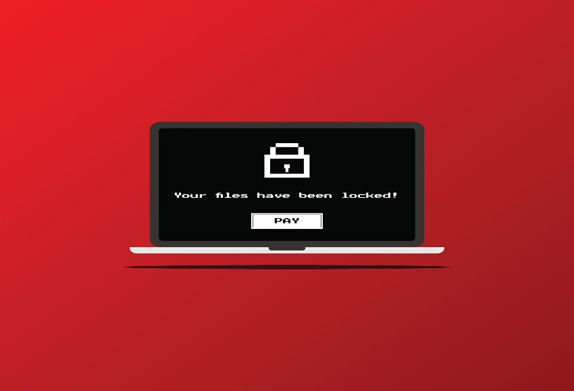
Ransomware is a dangerous malware type that encrypts files or locks systems until a ransom payment is made. Modern ransomware attacks target businesses, hospitals, educational institutions, and government organizations. Attackers often use phishing emails, vulnerable services, or stolen credentials to deploy ransomware into networks. Once executed, ransomware can spread across systems and severely disrupt business operations. Security teams reduce risks through regular backups, patch management, access control, and incident response planning.
Key Points
- Ransomware encrypts files and systems.
- Attackers demand payment for restoration.
- Phishing emails are common infection vectors.
- Regular backups reduce operational impact.
- Incident response planning improves recovery.
A company cannot access important files because they have been encrypted by attackers. What type of malware caused this?
Backups help organizations recover from ransomware attacks.
Ransomware commonly spreads through phishing emails.
Attackers demand cryptocurrency payments after locking organizational files. What attack is this?
Ransomware only targets personal computers.
Which security practice helps restore encrypted files without paying attackers?
An employee clicks a malicious email link and multiple shared drives become encrypted. What initiated the compromise?
Patch management reduces ransomware exposure.
A hospital loses access to patient records because malware encrypted the systems. What malware category is responsible?
Multi-factor authentication helps reduce unauthorized access risks.
Spyware and Keylogger Threats

Information
Spyware is malware designed to secretly monitor user activities and collect sensitive information without permission. Keyloggers are a specific type of spyware that records keystrokes entered on keyboards to steal usernames, passwords, and confidential information. Attackers often distribute spyware through malicious downloads, fake applications, and phishing campaigns. In enterprise environments, spyware infections can lead to credential theft, financial fraud, and privacy violations. Organizations use endpoint security, browser protection, and user awareness programs to minimize spyware-related threats.
Key Points
- Spyware secretly monitors user activity.
- Keyloggers record keyboard inputs.
- Stolen credentials can lead to data breaches.
- Browser protection reduces malicious downloads.
- Security monitoring helps identify unusual behavior.
Malware secretly records user keystrokes to capture passwords. What type of malware is this?
Browser security can help prevent spyware infections.
An employee notices unauthorized access to accounts after installing a suspicious browser extension. What threat may be involved?
Keyloggers mainly focus on recording user input.
Spyware improves system performance by removing unwanted files.
A malicious application secretly captures login credentials entered by employees. What malware type is responsible?
Security software can detect suspicious monitoring activities.
An attacker installs hidden monitoring software on a public computer to collect usernames and passwords. What was installed?
A company notices confidential employee information being transmitted to unknown external servers. What type of threat may be responsible?
Anti-malware solutions help identify suspicious background activities.
Malware Prevention and Security Best Practices
Information
Organizations implement multiple security controls to reduce the risk of malware infections and cyberattacks. Effective malware prevention strategies include endpoint protection, network monitoring, software patching, secure backups, and employee awareness training. Security policies help enforce safe practices related to password management, software installation, and email usage. Incident response procedures are also important because they help organizations quickly contain and recover from malware-related incidents. A layered security approach significantly improves organizational resilience against evolving cyber threats.
Key Points
- Endpoint security helps detect malicious files.
- Security awareness training reduces human error.
- Patch management fixes security vulnerabilities.
- Backups improve recovery capabilities.
- Incident response supports rapid containment
Updating operating systems helps reduce malware vulnerabilities.
An organization stores backup copies of important files to recover from attacks. Which security measure is this?
A company blocks unauthorized software installation using security policies. What protection method is being used?
Endpoint protection solutions help detect malicious activities.
A security team isolates infected systems to stop malware spread. What process is this?
Incident response plans support faster recovery from attacks.
Employees report suspicious emails to the security team before opening attachments. What security practice is demonstrated?
Patch management helps fix exploitable vulnerabilities.
An administrator regularly updates antivirus definitions to improve threat detection. What security activity is this?
Restricting unnecessary user permissions helps reduce malware impact.
Rootkits and Stealth Malware

Information
Rootkits are advanced malicious tools designed to hide malware activities and maintain unauthorized access within systems. These threats operate by concealing files, processes, registry entries, or network connections from users and security software. Attackers commonly use rootkits after compromising systems to avoid detection and maintain long-term persistence. Rootkits can operate at user level or kernel level, making detection extremely difficult in enterprise environments. Security teams rely on integrity monitoring, endpoint detection solutions, and system analysis tools to identify suspicious hidden activities.
Key Points
- Rootkits hide malicious activities from users.
- Kernel-level rootkits are highly dangerous.
- Rootkits help attackers maintain persistence.
- Security monitoring assists in threat detection.
- System integrity checks improve visibility.
Malware hides its processes from antivirus software to avoid detection. What threat is this?
Rootkits help attackers maintain hidden access.
An attacker secretly modifies operating system components to hide malicious files. What type of malware behavior is this?
Rootkits mainly focus on improving system performance.
Security monitoring tools help identify hidden malicious activity.
A compromised system continues communicating with attackers while remaining undetected for months. What malware technique may be involved?
Rootkits can conceal processes and files.
Attackers use hidden malware components to maintain long-term system access. What type of threat is this?
Rootkits can operate at kernel level.
Regular system analysis helps detect concealed malware activities.
Botnets and Command-and-Control Attacks

Information
Botnets are networks of compromised devices controlled remotely by attackers through command-and-control infrastructure. Cybercriminals use botnets for distributed denial-of-service attacks, spam campaigns, credential theft, and malware distribution. Infected systems, commonly called bots or zombies, communicate with remote servers to receive instructions. Large botnets can contain thousands of compromised devices across multiple countries. Organizations use network monitoring, traffic analysis, and endpoint security solutions to identify suspicious communication patterns associated with botnet activity.
Key Points
- Botnets consist of compromised devices.
- Command-and-control servers manage infected systems.
- Botnets are commonly used for DDoS attacks.
- Network monitoring helps identify suspicious traffic.
- Infected devices are often called zombies.
A large number of infected systems receive instructions from a remote server. What is this network called?
Botnets are controlled through command-and-control servers.
Infected systems in a botnet are called zombies.
Attackers use thousands of compromised devices to overwhelm a website with traffic. What attack type is this?
Botnets only target mobile devices.
Network monitoring helps detect suspicious outbound communication.
A compromised workstation secretly connects to remote servers for instructions. What infrastructure is involved?
Botnets can distribute malware to additional systems.
A company experiences massive traffic spikes from infected devices worldwide. What threat may be responsible?
Attackers remotely manage compromised devices in a botnet.
Adware and Unwanted Applications
Information
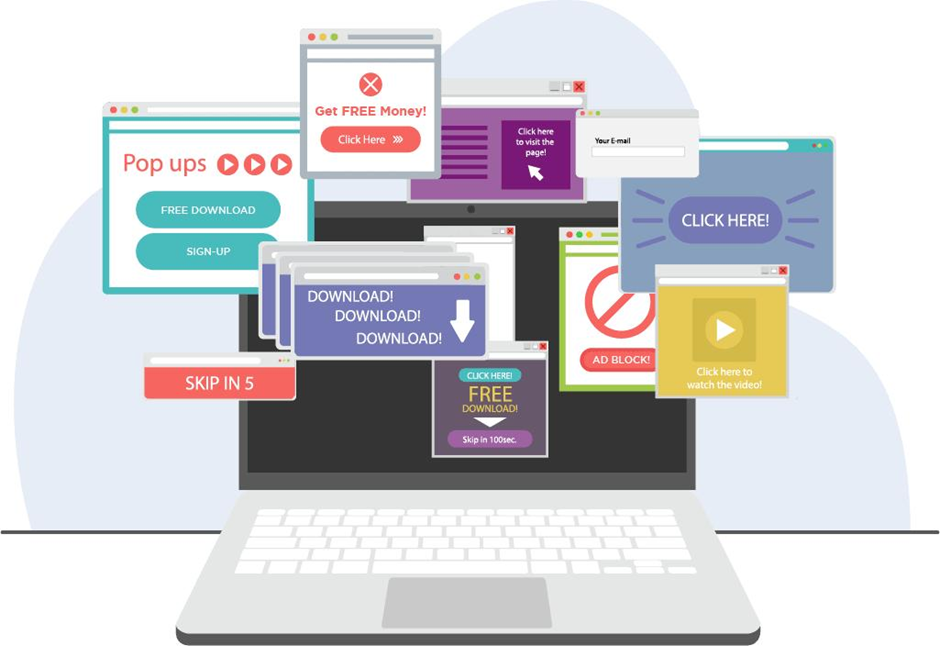
Adware is software designed to display unwanted advertisements on user systems, often generating revenue for attackers or malicious developers. Some adware applications also collect browsing habits and personal information without proper consent. Potentially unwanted applications are commonly bundled with free software downloads and deceptive installers. Although adware is sometimes considered less harmful than other malware categories, it can reduce system performance and introduce additional security risks. Organizations use application control, browser security, and software validation procedures to reduce unwanted software installations.
Key Points
- Adware displays unwanted advertisements.
- Free software bundles may contain adware.
- Unwanted applications can affect performance.
- Browser security reduces malicious pop-ups.
- Application control limits unauthorized installations.
Software continuously displays unwanted advertisements on a computer. What type of threat is this?
Adware can negatively affect system performance.
Free software downloads may contain unwanted applications.
A user installs a free media player and begins receiving excessive browser pop-ups. What type of software may be installed?
Adware improves browser security and privacy.
Application control helps prevent unauthorized software installation.
A browser starts redirecting users to suspicious advertising websites after installing unofficial software. What threat may be responsible?
Browser protection helps reduce malicious advertising risks.
Employees receive excessive advertisements after downloading unverified applications. What category of software is involved?
Organizations should validate software sources before installation.
Fileless Malware and Advanced Threats
Information
Fileless malware is an advanced attack technique that operates primarily in system memory instead of relying on traditional executable files. Attackers use legitimate system tools such as PowerShell and scripting engines to execute malicious commands while avoiding detection. Fileless attacks are difficult to identify because they leave minimal traces on disk. Advanced persistent threats often combine fileless techniques with credential theft and lateral movement to compromise enterprise environments. Security teams use behavior monitoring, memory analysis, and endpoint detection solutions to identify suspicious activities associated with advanced malware threats.
Key Points
- Fileless malware operates in memory.
- Legitimate tools are abused for attacks.
- Traditional antivirus may miss fileless threats.
- Behavioral monitoring improves detection.
- Advanced threats target enterprise environments.
Malware executes malicious commands directly from memory without storing files on disk. What type of malware is this?
Fileless malware often abuses legitimate system tools.
Behavioral monitoring helps detect advanced threats.
An attacker uses PowerShell commands to execute malicious scripts without dropping executable files. What attack method is this?
Traditional antivirus solutions always detect fileless attacks.
A compromised system shows malicious behavior despite no suspicious executable files being present. What threat type may be involved?
Advanced persistent threats may use stealth techniques.
Attackers abuse legitimate administrative tools to avoid detection. What security technique is being exploited?
Fileless malware can reduce forensic visibility.
Monitoring scripting activity helps identify advanced attacks.
Purpose of Malware
Information
The primary purpose of malware is to perform malicious activities that benefit attackers or disrupt targeted systems and organizations. Cybercriminals develop malware for objectives such as financial theft, credential harvesting, espionage, unauthorized access, data destruction, and operational disruption. Some malware is designed to spy on users silently, while other malware encrypts files or creates backdoors for persistent access. Advanced attackers may also use malware to control infected devices remotely or launch attacks against other systems. Understanding the purpose of malware helps organizations identify attacker goals and implement appropriate defensive strategies.
Key Points
- Malware is created for harmful or unauthorized activities.
- Attackers use malware for financial and data theft.
- Some malware focuses on espionage and surveillance.
- Malware can disrupt business operations and services.
- Persistent access helps attackers maintain long-term control.
Malware is commonly used to steal sensitive information from victims.
An attacker deploys malicious software to secretly monitor employee activities inside an organization. What is the attacker’s purpose?
A company’s systems are intentionally encrypted to stop daily operations until payment is made. What malware objective is involved?
Attackers use spyware to collect confidential information from victims. What is the main purpose of this malware?
Some malware types provide hidden access to compromised systems.
An attacker remotely controls infected systems to launch attacks against other organizations. What is the attacker’s objective?
Malware can be used for cyber espionage activities.
A malicious program deletes important organizational files to damage operations. What malware purpose is demonstrated?
Credential theft is a common objective of malware attacks.
Attackers may use malware to maintain unauthorized access inside networks.
Malware Components
Information
Malware consists of different components that help attackers infect, control, spread, or hide malicious activities inside systems. Common malware components include payloads, droppers, command-and-control communication modules, persistence mechanisms, and evasion techniques. The payload is responsible for executing the primary malicious activity such as encryption, spying, or credential theft. Droppers are used to install malware silently on target systems, while persistence mechanisms allow malware to survive reboots and remain active. Understanding malware components helps security professionals analyze threats and improve detection capabilities.
Key Points
- Payloads perform malicious activities.
- Droppers silently install malware.
- Persistence mechanisms maintain access.
- Command-and-control modules receive attacker instructions.
- Evasion techniques help malware avoid detection.
The part of malware responsible for performing harmful actions is called what?
Persistence mechanisms help malware survive system restarts.
A malicious installer secretly places additional malware files into a system. What malware component is involved?
Command-and-control communication allows attackers to manage infected systems remotely.
An attacker hides malicious code from antivirus software using special evasion methods. What type of malware feature is this?
A malware sample automatically reconnects to an attacker’s server after every reboot. What feature enables this behavior?
Malware droppers are commonly used during infections.
A compromised system continuously receives commands from a remote server. Which malware component is responsible?
Security analysts examine malware components to understand attack behavior.
Some malware uses stealth techniques to avoid detection by security tools.
Tools Used for Malware Activities
Information
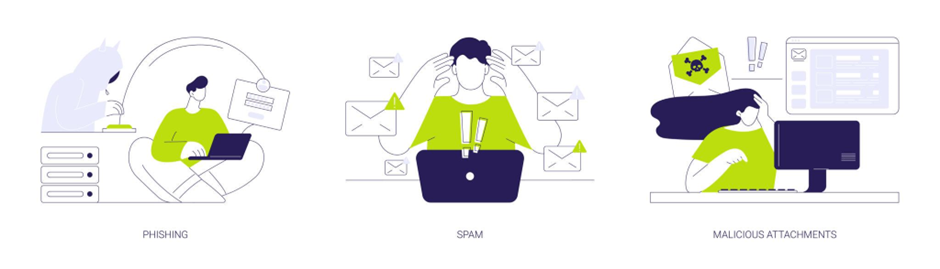
Cybercriminals use various tools and frameworks to create, distribute, and manage malware attacks. Attackers commonly use phishing kits, exploit frameworks, remote administration tools, malicious scripts, and botnet management panels during cyberattacks. Some tools help attackers generate malicious payloads, while others support credential theft, persistence, or remote access. Security professionals also use malware analysis tools and environments to study malicious files safely. Understanding malware-related tools helps organizations strengthen detection and incident response capabilities.
Key Points
- Attackers use tools to automate malware attacks.
- Exploit frameworks target vulnerable systems.
- Phishing kits help distribute malicious files.
- Remote administration tools may be abused maliciously.
- Sandbox environments help analyze malware safely.
Attackers use special software frameworks to exploit system vulnerabilities automatically. What type of tool is this?
Phishing kits help attackers distribute malicious content.
Sandbox environments allow malware analysis in isolated systems.
An attacker sends fake login pages to steal employee credentials. What attack tool may be involved?
Malware analysis tools are used only by attackers.
A malicious script automatically downloads harmful files onto a victim system. What attack method is being used?
Remote administration tools can be abused by attackers for unauthorized access.
Security researchers use isolated testing systems to study malware behavior. What environment is commonly used?
An exploit framework compromises systems by targeting unpatched vulnerabilities. What security weakness is being abused?
Monitoring suspicious scripts can help identify malware attacks.
Famous Malware and Remote Access Trojans (RATs)
Information
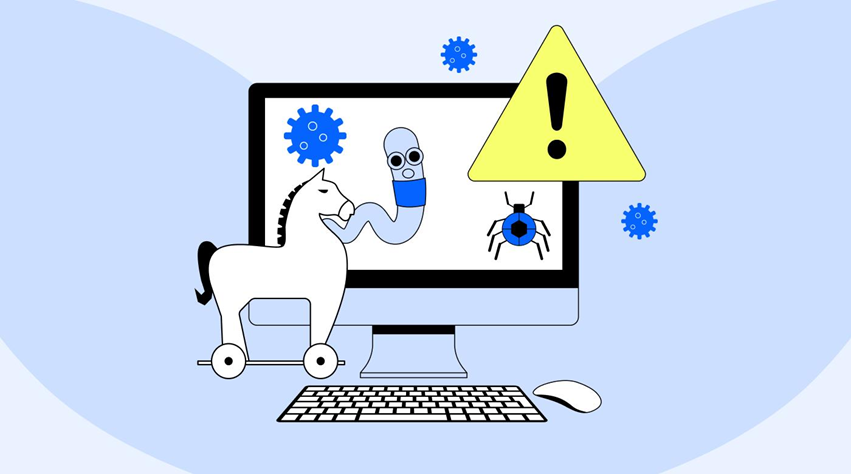
Several malware families and remote access Trojans have become well known because of their large-scale impact on organizations and individuals worldwide. Famous malware examples include WannaCry, NotPetya, Zeus, Emotet, and Stuxnet. Remote access Trojans such as DarkComet, njRAT, and Poison Ivy allow attackers to remotely monitor and control infected systems. These threats have been used for ransomware campaigns, espionage operations, credential theft, and large-scale disruptions. Studying famous malware incidents helps cybersecurity professionals understand attacker techniques and improve defensive strategies.
Key Points
- WannaCry was a major ransomware outbreak.
- Zeus malware focused on banking credential theft.
- RATs provide remote access to infected systems.
- Stuxnet targeted industrial control systems.
- Famous malware incidents improve cybersecurity awareness.
WannaCry is an example of ransomware malware.
A malware family targets banking credentials and financial information. Which famous malware is known for this activity?
Remote Access Trojans allow attackers to control systems remotely.
An attacker secretly monitors an infected computer using remote commands and screen access. What type of malware is involved?
Stuxnet mainly targeted social media accounts.
A ransomware outbreak rapidly spread across organizations worldwide by exploiting vulnerabilities. Which famous malware matches this description?
njRAT is classified as a Remote Access Trojan.
An attacker uses malware to remotely activate webcams and steal files from infected systems. What malware category is responsible?
Emotet was widely associated with malware distribution campaigns.
Poison Ivy is an example of a Remote Access Trojan.